Choosing between short-term rehab and long-term care depends on the patient’s clinical goals and the expected recovery timeline. Short-term rehab focuses on intensive therapy to help patients return home after a specific medical event, while long-term care provides 24/7 skilled nursing for those with chronic conditions or cognitive decline that makes independent living unsafe.
Determining the next step after a hospital stay is a high-stakes decision for any caregiver. When a discharge planner mentions “post-acute care,” the terminology can feel like a barrier to care. Understanding the nuances between recovery-based rehabilitation and residential skilled nursing is the first step in ensuring your loved one receives the dignity and clinical attention they deserve.
Key Differences: Short-Term Rehab vs. Long-Term Care
To help you decide at a glance, this comparison table breaks down the primary differences in medical focus, duration, and goals.
| Feature | Short-Term Rehabilitation | Long-Term Care |
| Primary Goal | Recovery and return to home | Maintenance of health and safety |
| Typical Duration | 2 weeks to 3 months | Indefinite / Permanent |
| Therapy Frequency | High (Physical, Occupational, Speech) | Moderate to Low (Maintenance) |
| Medical Need | Post-surgical or acute injury | Chronic illness or ADL assistance |
| Insurance Focus | Medicare / Private Insurance | Medicaid / Long-Term Insurance / Private |
If your loved one is recovering from a hip replacement or a stroke, finding a specialized rehabilitation center in Cherry Hill, NJ, is the standard route. These facilities bridge the gap between the hospital and home, offering high-intensity physical and occupational therapy designed to restore independence as quickly as possible.
Determining the Right Level of Support
When evaluating a loved one’s needs, consider these three criteria to identify the appropriate setting:
- The “Discharge” Goal: Does the person have a clear path to returning to their previous living situation? If the objective is to regain the strength to climb stairs or cook meals again, short-term care is the answer.
- Activities of Daily Living (ADLs): Does the person require permanent help with bathing, dressing, and eating? If these needs are permanent due to progressive illness, long-term care is required.
- Clinical Complexity: Does the condition require daily monitoring by a registered nurse for stable but chronic issues, or high-intensity wound care for a temporary issue?
For families looking for comprehensive solutions, choosing a dual-purpose nursing home and rehabilitation center in Cherry Hill, NJ, allows for a “continuum of care.” This means that if a patient enters rehab but discovers their needs are more permanent, they can transition within the same community without the trauma of a second move.
Debunking the “Nursing Home” Myth
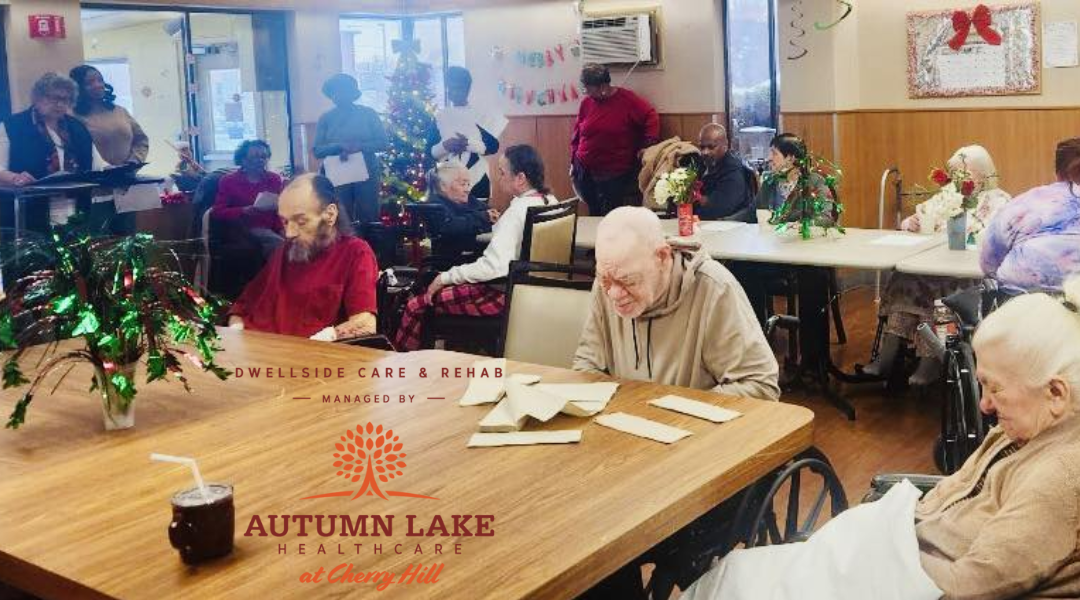
A common industry misconception is that “Short-term rehab is just a temporary stay in a nursing home.” In reality, modern clinical environments have evolved into distinct wings. A dedicated rehab unit functions like a sub-acute hospital, focusing strictly on aggressive clinical outcomes and discharge planning. Unlike the outdated view of nursing homes in Cherry Hill, NJ, these units are high-energy environments where the goal is “graduation” back to the community.
Applying our “Resort-Clinical” Framework to Solve This
Navigating a medical transition is emotionally taxing. We solve the “institutional” feel of traditional care by applying our Resort-Clinical framework. This proprietary approach blends high-level medical oversight with a hospitality-driven lifestyle, ensuring that healing happens in a scenic environment away from the city’s noise.
Our framework includes specific pillars of care:
- The Secured Sanctuary: A specialized unit and alarm system to aid in the security of residents with cognitive deficiencies, ensuring safety without sacrificing dignity.
- The Social Fabric: Large courtyards, a movie theater, and comfortable common areas designed for family meetings and special events.
- The Culinary Choice: A delightful dining experience where residents choose between the social atmosphere of the dining room or the privacy of their own room.
- The Connected Life: High-speed Wifi, cable television, and computers with internet access to keep families connected.
Whether a resident is here for a “Vacation Stay” (respite care) or permanent residency, they have access to an on-site beauty salon, fitness room, and wellness programs.
Understanding Your Financial Options
Navigating the costs of senior care is often the most stressful part of the process. Many families initially search for assisted living in Cherry Hill, NJ, only to find that their loved one’s medical needs require a higher level of skilled nursing. We accept Medicare, Medicaid, most private insurances, and private pay to accommodate various financial situations.
Medicare typically covers the “Short-Term” aspect, specifically the first 20 to 100 days of rehabilitation following a qualifying hospital stay. Long-term care is usually funded through Medicaid or private funds. Our on-site concierge and administrative team help families navigate these applications so the focus remains on the patient.
The Importance of Environment in Recovery
The physical setting plays a massive role in recovery speed. During a recent audit for a family in the Barclay-Kingston area, it was noted that access to green space significantly lowered stress levels in recovering seniors. Our facility features beautiful courtyards and gardens, providing a peaceful environment that contrasts with the sterile feel of a hospital.
When searching for Cherry Hill assisted living or skilled nursing, look for “Life-Enhancement” markers. This includes individual climate control, private and semi-private rooms, and a smoke-free environment. Even small details, like mail and newspaper service or a private hospice room, reflect a facility’s commitment to the individual.
Frequently Asked Questions
Q: Can a short-term stay turn into long-term care?
A: Yes. If a patient’s recovery plateaus and they can no longer live safely at home, the clinical team will work with the family to transition the patient to a long-term skilled nursing arrangement.
Q: Are pets allowed during rehab?
A: In our facility, pets are permitted to visit, as we recognize the immense therapeutic value that animals bring to the healing process.
Q: What is “Respite Care”?
A: Often called a “Vacation Stay,” this is a short-term stay (usually a few days to a few weeks) designed to give primary family caregivers a break while ensuring their loved one is safe and cared for.
To Sum Up
At Autumn Lake Healthcare at Cherry Hill, we understand that you aren’t just looking for a bed; you are looking for a community that values your loved one’s comfort and clinical safety. From our spacious rooms and private bathrooms to our advanced pharmaceutical delivery services, every detail is engineered to provide excellence in long-term and post-hospital care.
Don’t navigate this journey alone. Our team is ready to help you evaluate the best path forward for your family.
Ready to see the difference for yourself?
Schedule a tour or contact us today to learn more about our specialized programs and scenic grounds.