What to Expect During Stroke Recovery Rehabilitation in Cherry Hill, NJ

A stroke changes everything in an instant. One moment feels normal, and the next, your loved one is being rushed to the hospital. Once the immediate crisis passes and the medical team stabilizes the patient, the focus shifts to recovery. For families in Cherry Hill, NJ, understanding what rehabilitation looks like after a stroke can help ease the uncertainty and set realistic expectations for the road ahead.

The First Days After a Stroke

Recovery begins in the hospital, often within the first 24 to 48 hours. The medical team will assess the extent of the stroke and determine which functions have been affected. Depending on the type and severity of the stroke, your loved one may experience difficulty with movement on one side of the body, speech and language challenges, trouble swallowing, memory or cognitive changes, or emotional shifts including frustration and depression.

Once the patient is medically stable, the physician will typically recommend transfer to a rehabilitation facility. For patients discharged from Jefferson Cherry Hill Hospital or Virtua, families often begin evaluating skilled nursing facilities in the Cherry Hill area that offer dedicated stroke recovery programs.

What Rehabilitation Looks Like

Stroke rehabilitation is intensive and multidisciplinary. It involves several types of therapy, each targeting different aspects of recovery.

Physical Therapy (PT) focuses on rebuilding strength, balance, and mobility. A physical therapist works with the patient on standing, walking, transferring from bed to chair, and regaining coordination. Sessions may start with supported standing and progress to walking with assistive devices, then eventually to independent movement.

Occupational Therapy (OT) helps patients relearn the skills needed for daily living. This includes dressing, bathing, eating, and using the bathroom. Occupational therapists also work on fine motor skills like gripping objects, writing, and buttoning clothes. For patients with one-sided weakness, OT teaches compensatory techniques to maintain independence.

Speech-Language Therapy addresses communication difficulties and swallowing problems. A speech-language pathologist works with patients who have aphasia (difficulty finding or understanding words), dysarthria (slurred speech), or dysphagia (trouble swallowing safely). Therapy may include exercises, communication strategies, and modified diet recommendations.

How Long Does Stroke Rehab Take?

Every stroke is different, and recovery timelines vary widely. Some patients make significant progress in the first two to four weeks. Others need several months of ongoing therapy. The most rapid improvement typically occurs in the first 90 days, but meaningful gains can continue for a year or longer with consistent effort.

At a skilled nursing facility, most stroke rehabilitation stays last between three and six weeks, depending on the severity of the stroke and the patient’s response to therapy. After discharge, many patients continue with outpatient therapy or home health services.

When to Push and When to Rest

One of the hardest things for families is knowing when to encourage a loved one to push through and when to let them rest. Therapy after a stroke is tiring. The brain is working hard to rewire neural pathways, and the body is rebuilding strength from a point of significant weakness.

Good therapists understand this balance. They push patients enough to make progress without causing exhaustion or discouragement. If your loved one seems overwhelmed, talk to the therapy team about adjusting the pace. Progress does not always look like forward motion; sometimes holding steady is the win.

Rest is not the enemy of recovery. Sleep and downtime give the brain time to consolidate new skills. This is where patience matters most.

How Families Can Help

Family involvement plays a meaningful role in stroke recovery. Here are practical ways to support your loved one during rehab. Visit regularly and keep conversations positive. Celebrate small victories like sitting up independently or saying a new word. Attend therapy sessions when invited so you can learn exercises and techniques to practice together. Ask the care team for a family conference to discuss progress and goals. Prepare your home for discharge by removing tripping hazards, installing grab bars, and arranging furniture for wheelchair or walker access. Be patient with emotional changes. Frustration, sadness, and mood swings are common after a stroke and are not a reflection of your relationship.

Do not hesitate to ask social workers or counselors at the facility for resources that can help your family through this transition.

What to Look for in a Stroke Rehab Facility

When choosing a rehabilitation facility for stroke recovery, consider whether the facility offers daily therapy sessions at least five days per week, whether the therapy team includes licensed physical therapists, occupational therapists, and speech-language pathologists with experience in stroke rehabilitation, how the facility communicates progress to families, and whether there is a clear discharge plan with coordination for outpatient services.

Autumn Lake Healthcare at Cherry Hill, independently owned and operated as part of the Autumn Lake Healthcare network, provides rehabilitation services designed to support stroke recovery in a structured, supportive environment. The care team works closely with patients and families to set meaningful goals and adjust the plan as recovery progresses.

Recovery Is Possible

A stroke is a life-changing event, but it does not define the rest of your loved one’s life. With consistent therapy, family support, and a skilled care team, many stroke survivors regain significant function and independence. The road is rarely straight, and there will be hard days. But progress is real, and every small step matters.

If your family is looking for stroke rehabilitation options in the Cherry Hill area, reach out to Autumn Lake Healthcare at Cherry Hill to learn more about our rehab program and how we can support your loved one’s recovery.
What are the Mandatory Staff Certifications Required for High-Acuity Nursing Care?

Mandatory staff certifications for high-acuity nursing care include Basic Life Support (BLS) and Advanced Cardiovascular Life Support (ACLS) as the foundational requirements for all clinical staff. To manage complex patient needs, nurses must also hold specialty-specific credentials such as CCRN for critical care, PCCN for progressive care, or PALS for pediatric high-acuity environments.

The landscape of modern healthcare is shifting toward higher patient complexity. Today, “standard” hospital care often involves the level of monitoring previously reserved for intensive care units. For families seeking a nursing home and rehabilitation center in Cherry Hill, NJ, understanding these clinical requirements is essential for ensuring a loved one receives safe, expert-level intervention.

Essential Life Support: The Foundation of High-Acuity Care

High-acuity nursing is defined by the rapid pace of change in a patient’s condition. Whether a patient is recovering from a major cardiac event or managing multi-system organ failure, the nursing staff must be certified to intervene the moment a crisis occurs. In these settings, “mandatory” refers to the certifications required by hospital policy, state health departments, and national accrediting bodies like The Joint Commission.

Comparison of Foundational Certifications

Certification Focus Area Requirement Level Renewal Cycle
BLS (Basic Life Support) High-quality CPR, AED usage, and airway obstruction relief. Mandatory for all clinical and support staff. Every 2 years
ACLS (Advanced Cardiovascular Life Support) Advanced airway management, ECG rhythm interpretation, and emergency pharmacology. Mandatory for RNs in high-acuity or rehab settings. Every 2 years

At our rehabilitation center in Cherry Hill, we prioritize these certifications to ensure that the transition from a hospital to a post-acute setting is seamless. During recent training sessions for our service areas, we’ve observed that the integration of ACLS protocols into daily nursing rounds significantly improves “failure to rescue” rates.

Specialty Board Certifications by Unit Type

While foundational life support is the baseline, board certifications validate a nurse’s expertise. These are often required for “Magnet Status” facilities and represent a deep commitment to a specific patient population.

1. Critical Care Registered Nurse (CCRN)

The CCRN is the gold standard for high-acuity care. It isn’t just about knowing how to use a ventilator; it’s about understanding the pathophysiology of the critically ill. To sit for this exam, a nurse must have at least 1,750 hours of direct care in an ICU or similar setting.

2. Progressive Care Certified Nurse (PCCN)

For patients who are stable but still require high-level monitoring, such as those in telemetry or step-down units, the PCCN is the benchmark. This certification focuses on managing patients who are at high risk for sudden instability.

3. Pediatric Advanced Life Support (PALS)

In any high-acuity setting involving younger populations, PALS is a non-negotiable mandate. It adapts life-saving protocols for the unique physiological needs of infants and children.


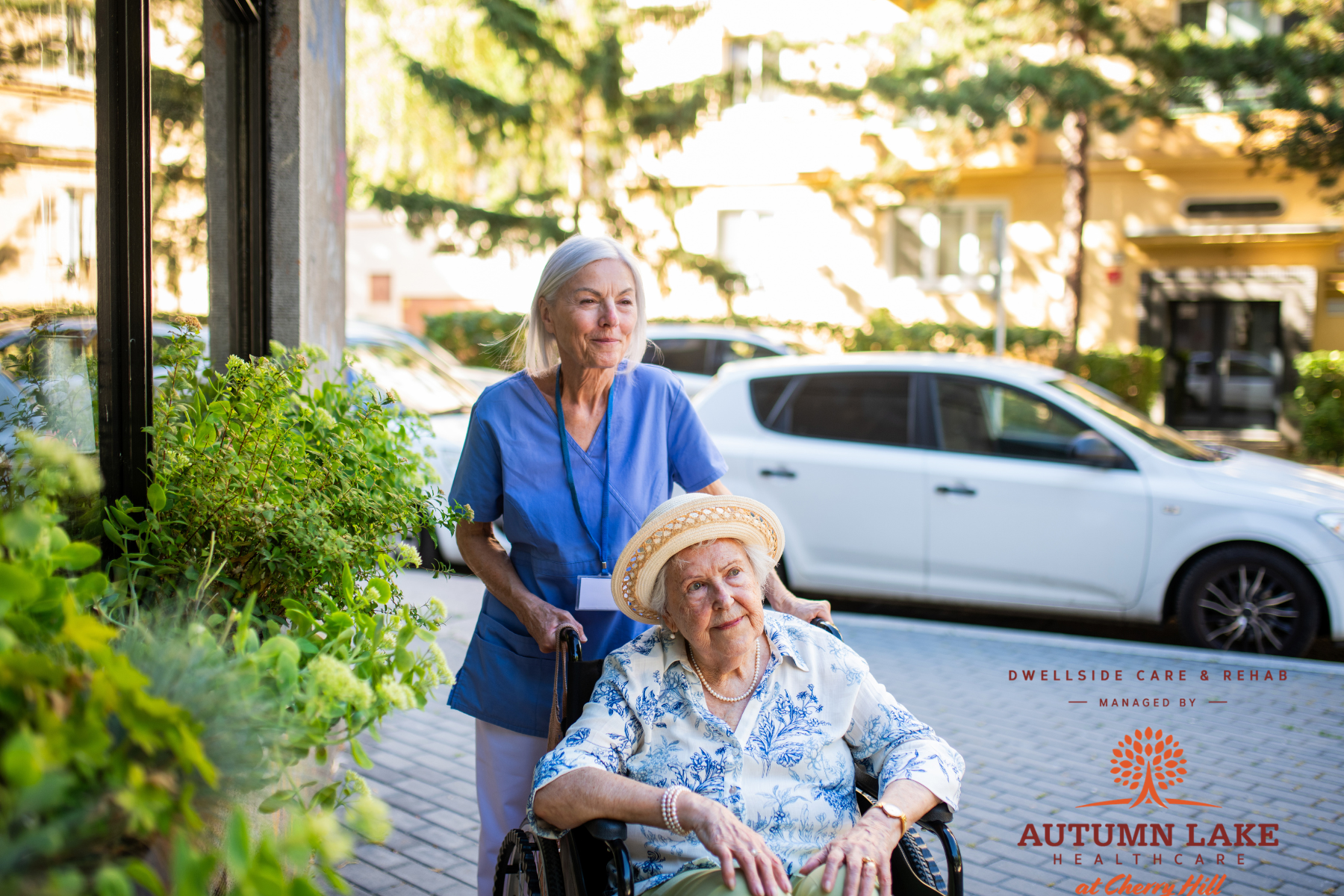
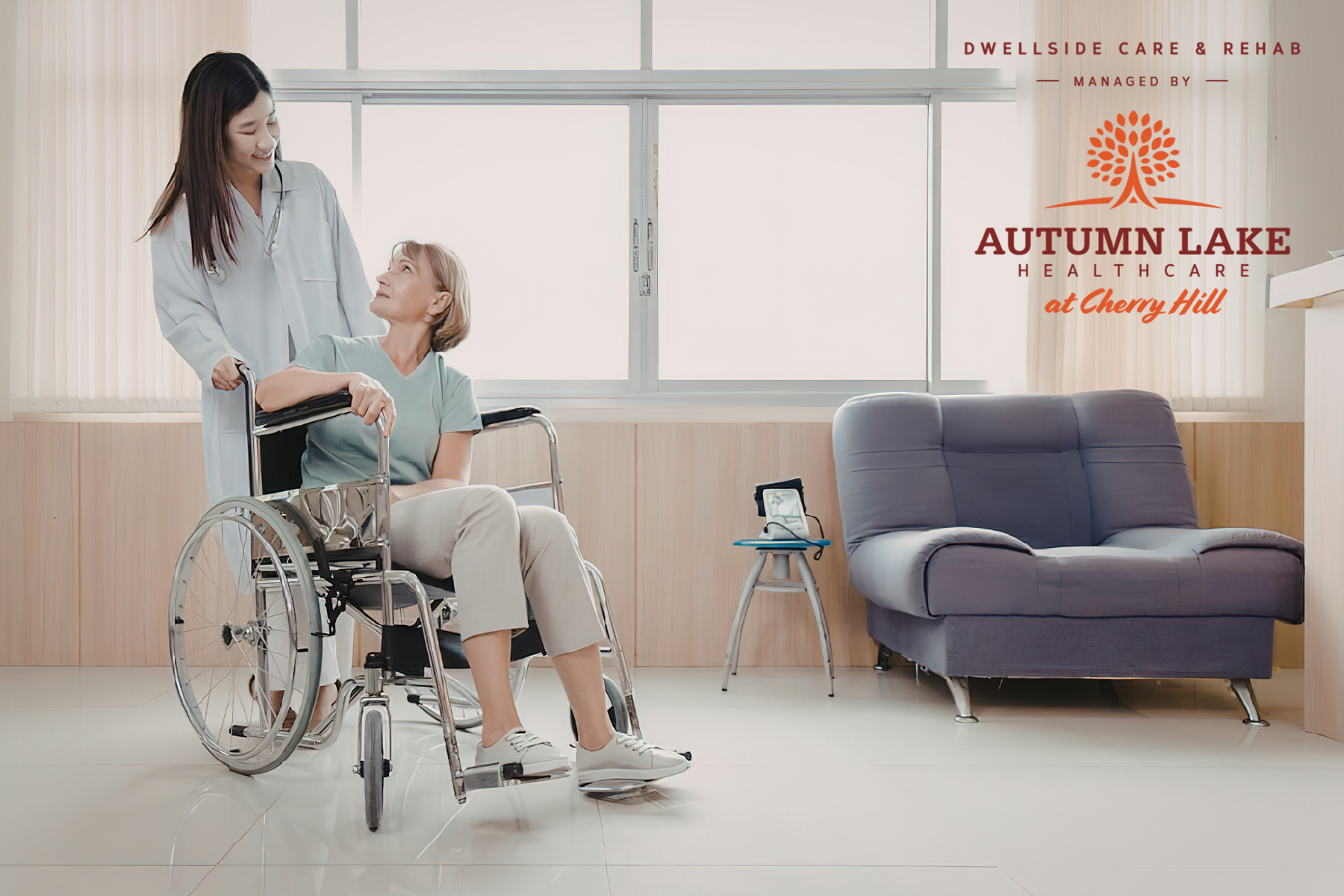
A healthcare worker pushing an elderly resident in a wheelchair at Autumn Lake Healthcare at Cherry Hill.


Technical Specifications: Certification Requirements List

Achieving and maintaining these credentials involves more than a one-day class. For a facility to be considered a premier nursing home in Cherry Hill, NJ, the staff must adhere to rigorous professional specifications:

  • Active RN Licensure: All specialty certifications require a current, unencumbered license in the state of practice.
  • Clinical Hour Verification: Most boards require between 1,750 and 2,000 verified hours of bedside experience in a high-acuity environment before testing.
  • Continuing Education (CE): Nurses must complete 20-100 hours of specialty-specific education every three years to maintain their “Certified” status.
  • Acuity-Based Competencies: Staff must pass annual “skills fair” validations on high-risk equipment like IV pumps and cardiac monitors.

High-Acuity Care in a Restorative Setting

We provide residents with a quiet, scenic environment away from the bustling city area. Our assisted living in Cherry Hill is known for excellence in long-term care, providing around-the-clock skilled nursing for a wide range of complex medical conditions. We offer post-hospital, short-term rehabilitation as well as long-term and respite care.

Residents enjoy a delightful dining experience and can choose to join us in our dining room or stay in the privacy of their own room. Our comprehensive amenities include:

  • Safety & Security: A secured unit with an alarm system to aid in the security of residents with cognitive deficiencies.
  • Modern Comforts: Fully air-conditioned, individual climate control, Wi-Fi, cable television, and housekeeping.
  • Social & Leisure: An activities room, movie theater, fitness room, on-site beauty salon, and a computer with internet access.
  • Convenience: On-site laundry, concierge services, pharmaceutical delivery, and mail/newspaper service.
  • Outdoor Spaces: Beautiful courtyards and gardens with comfortable common and lounge areas for socializing.
  • Room Options: Private and semi-private rooms with private bathrooms, including a private hospice room.
  • Flexible Stays: Vacation stays available; pets are permitted. We accept Medicare, Medicaid, most insurances, and private pay.

Debunking the “Experience Over Education” Myth

A common industry misconception is that “A nurse with 20 years of experience doesn’t need a specialty certification to provide high-acuity care.”

The Reality: While experience is an invaluable teacher, it is not a substitute for the evidence-based standards tested in board certifications. Studies consistently show that facilities with higher percentages of BSN-prepared and board-certified nurses see lower rates of medication errors. In 2026, the complexity of medical technology, from smart pumps to advanced telemetry, demands the formal, updated knowledge that only ongoing certification provides. For those looking at senior living in Cherry Hill, NJ, always ask about the percentage of board-certified staff on the high-acuity floor.

Frequently Asked Questions

What is the difference between BLS and ACLS?

BLS (Basic Life Support) focuses on non-invasive maneuvers like CPR and AED use. ACLS (Advanced Cardiovascular Life Support) is for medical professionals and includes intubation, IV medications, and cardiac rhythm interpretation.

Is a CCRN certification mandatory to work in the ICU?

While not always mandatory on day one, most high-acuity units require nurses to obtain their CCRN within two years of hire to ensure they meet national standards of care.

Does Medicare pay for high-acuity nursing care in a rehab center?

Yes, if the care is deemed medically necessary and the facility accepts Medicare, Medicaid, and most private insurances.

Can I visit a loved one in a high-acuity unit?

Absolutely. At our facility, we offer private and semi-private rooms and private dining rooms for family gatherings to ensure you remain part of the healing process.

To Sum Up

When it comes to high-acuity needs, mandatory certifications are just the starting point. True excellence is found where clinical expertise meets a compassionate, resort-style atmosphere. Whether you need assisted living or a higher level of clinical intervention, our team is prepared with the credentials and the heart to help.

At Dwellside Care and Rehab managed by Autumn Lake Healthcare at Cherry Hill, we are known for our excellence in long-term care and post-hospital, short-term rehabilitation. Our facility is conveniently located and offers everything from wellness programs to vacation stays. For more information about services, contact us to schedule a tour today!

How Do You Determine if a Nursing Home’s Daily Rate Includes Laundry, Supplies, and Medication Management?

To determine what a nursing home’s daily rate covers, you must review the Admission Agreement and the Schedule of Ancillary Charges. While room and board are standard, services like personal laundry, medical supplies, and medication management are often billed as separate monthly line items depending on whether the resident is using Medicaid, Medicare, or Private Pay.

Identifying Included vs. Excluded Costs

When you begin touring a rehabilitation center in Cherry Hill, NJ, the marketing materials often focus on the quality of care and the aesthetics of the grounds. However, the financial reality of long-term care is found in the contract. The “Daily Rate” is not a universal term; it is a baseline that varies significantly between facilities based on their specific billing structures.

To avoid “billing shock,” it is essential to distinguish between basic custodial care and “ancillary services.” These services are the unbundled items that can turn a predictable monthly budget into a financial burden if not accounted for during the initial intake process.

Daily Rate Coverage Comparison

Service Category Typically Included in Base Rate Often Extra (Ancillary Charge)
Room & Board Semi-private room, utilities, housekeeping Private room upgrades, premium cable/phone
Personal Care Basic bathing and dressing assistance Personal laundry, hair styling/barber services
Medical Supplies Standard bed linens, basic first aid Incontinence briefs, wound care kits, and oxygen
Clinical Services 24/7 nursing supervision Medication administration, physical therapy

3 Steps to Verifying Contract Transparency

Navigating the paperwork for nursing home & elder care in Cherry Hill, NJ can be overwhelming. To ensure you have a clear picture of your financial obligations, follow these three practical steps:

  1. Request the “Ancillary Fee Schedule”: Every facility maintains a list of prices for items not covered by the base rate. This includes everything from a box of tissues to the cost of a nurse crushing and administering a pill. If a facility is hesitant to provide this, consider it a lack of transparency.
  2. Verify the Payer Source Rules: Medicaid generally mandates that items like laundry and basic hygiene supplies be included in the state-reimbursement rate. In contrast, residents paying out-of-pocket are often “unbundled,” meaning they are billed per load of laundry or per medical item used.
  3. Audit the “Level of Care” (LOC) Assessment: Many facilities use a tiered pricing model. If a resident’s health declines, their “Level of Care” score increases, which can trigger an automatic jump in the daily rate. Always ask how often these assessments occur and what notice you will receive before a rate hike.


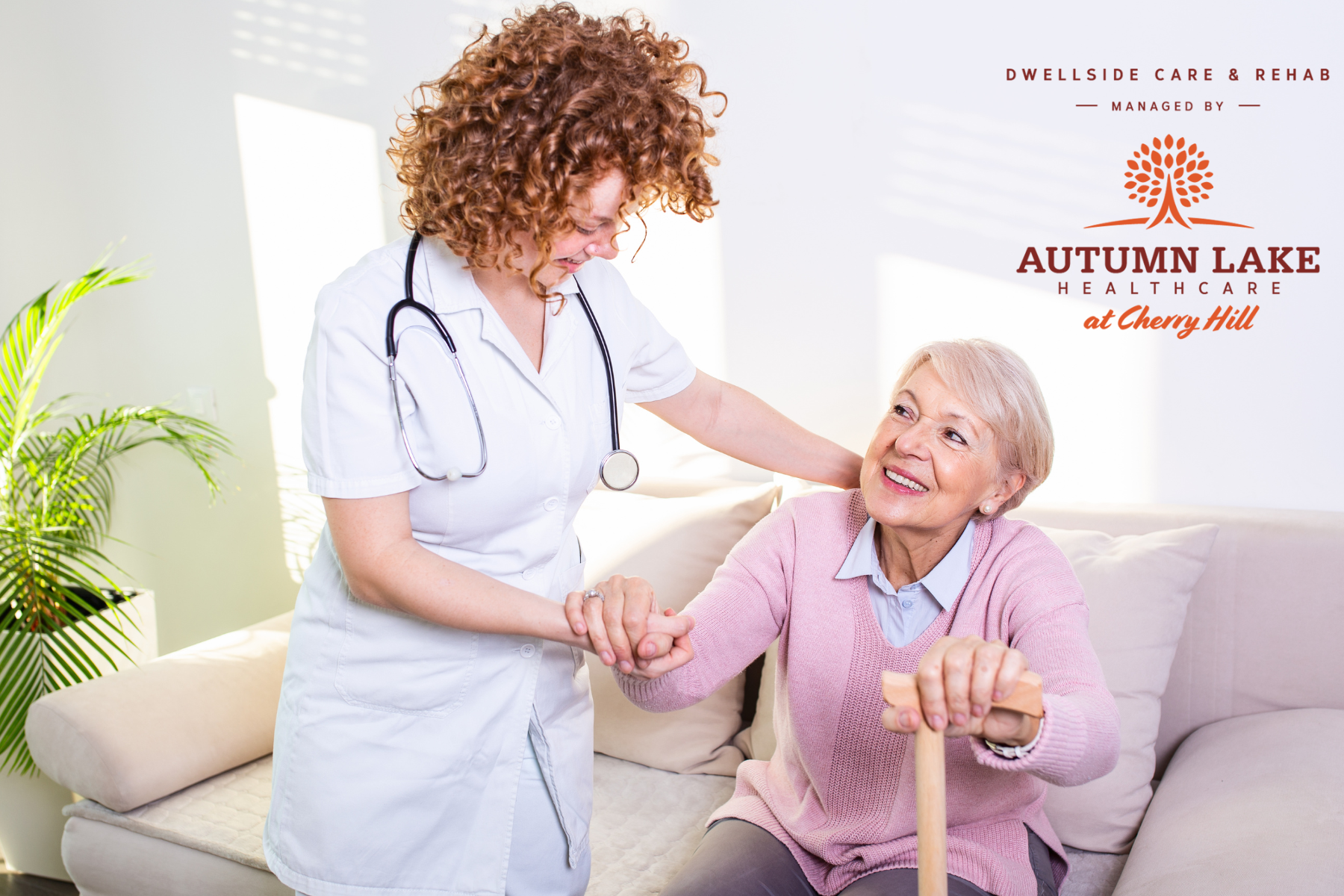
A nurse helps a senior resident stand up from a couch at Autumn Lake Healthcare at Cherry Hill.


The Autumn Lake Approach: High-End Amenities & Clinical Precision

We solve the “hidden fee” dilemma by offering a comprehensive environment that balances high-end amenities with transparent clinical care. We offer residents a quiet, scenic environment away from the bustling city area. The facility features a secured unit, several large courtyards, a movie theater, and a variety of comfortable common areas for special events and for families to meet.

We are known for our excellence in long-term care, providing around-the-clock skilled nursing for a wide range of complex medical conditions. We offer post-hospital, short-term rehabilitation as well as long-term and respite care. Our residents enjoy a delightful dining experience and can choose to join us in our dining room or to stay in the privacy of their own room.

Our Facility Specifications:

  • Security & Safety: We utilize an activities room and an alarm system to aid in the security of residents with cognitive deficiencies.
  • Grounds & Socializing: Residents have access to beautiful courtyards and gardens, plus comfortable common and lounge areas for visiting.
  • Connectivity: The facility is fully air-conditioned and provides Wifi, cable television, and a telephone in every room.
  • Personal Services: We offer an on-site beauty salon, laundry facility, and mail/newspaper service.
  • Medical Logistics: We provide a pharmaceutical delivery service, a private hospice room, and specialized wellness programs.
  • Room Options: We offer spacious private and semi-private rooms with individual climate control and private bathrooms.

Whether you are seeking senior living in Cherry Hill for a short-term recovery or a permanent home, our model ensures the transition is seamless. We accept Medicare, Medicaid, most insurances, and private pay.

Debunking the “All-Inclusive” Medicare Myth

A common industry misconception is that if a loved one is admitted to a “Skilled Nursing” facility, everything is covered by insurance. This is a misunderstanding of how Medicare works. Medicare Part A typically covers “all-inclusive” costs (including meds and laundry) only during a short-term rehab stay following a qualifying hospitalization.

Once a resident stabilizes and transitions to long-term care, the billing structure shifts. What was “free” under a rehab benefit often becomes a “line-item” charge. When touring an assisted living in Cherry Hill, NJ, always ask exactly which day the billing shifts from the Medicare “all-in” model to the facility’s standard daily rate.

Frequently Asked Questions

Does the daily rate include personal laundry?

In many nursing homes in Cherry Hill, NJ, the daily rate includes linens, but personal clothing laundry is frequently a separate monthly fee for private-pay residents.

Are medications included in the nursing home bill?

Generally, no. Medications are typically billed through a pharmaceutical delivery service and covered by Medicare Part D. The facility may charge a separate fee for the labor of administering those meds.

Are incontinence supplies covered?

For Medicaid residents, these are usually included. For private-pay residents, they are often billed as ancillary medical supplies.

To Sum Up

Determining the true cost of care is about more than just the daily rate; it is about finding a partner who values transparency. At Dwellside Care and Rehab managed by Autumn Lake Healthcare at Cherry Hill, we are committed to providing a smoke-free, pet-friendly environment where residents thrive.

From our fitness room to our variety of menu selections, we strive to make every day meaningful. If you need immediate care, let us help you decode the complexities of long-term care contracts.

Ready to see the difference for yourself? Visit us to schedule a tour and receive a transparent breakdown of our care costs.

Custodial Care vs. Skilled Nursing: Key Differences in Medical Oversight

The primary difference between custodial care and skilled nursing is the level of clinical necessity and the credentials required to provide it. Custodial care focuses on non-medical assistance with activities of daily living (ADLs), such as bathing and dressing, while skilled nursing requires licensed medical professionals to manage complex treatments, wound care, and rehabilitation under a physician’s supervision.

Defining the Levels of Care: A Comparative Breakdown

When a loved one requires more help than they can manage alone, the terminology used by doctors and insurance providers can be confusing. To determine the right path, we must look at the specific clinical requirements of the individual. Families searching for a nursing home in Linwood, NJ often find that the “skilled” designation is the most critical factor for insurance reimbursement and recovery outcomes.

Feature Custodial Care Skilled Nursing (SNF)
Primary Goal Maintaining safety and daily function. Medical recovery or complex stabilization.
Provider Type Certified Nursing Assistants or Home Health Aides. Registered Nurses (RNs), LPNs, and Therapists.
Medical Necessity Non-clinical; does not require a prescription. Medically necessary; requires a formal doctor’s order.
Common Services Feeding, dressing, and mobility assistance. IV therapy, sterile wound care, and speech therapy.
Typical Setting Assisted living, memory care, or private home. Skilled nursing facilities or sub-acute units.

Daily Medical Oversight Requirements

Medical oversight is the “litmus test” for insurance coverage, particularly Medicare. Unlike standard assisted living in Linwood, which focuses on a social model of care with some physical support, skilled nursing is a medical model. Here are the three pillars that define daily oversight:

1. Clinical Complexity

Skilled nursing involves tasks that cannot be performed safely by a layperson. This includes managing a ventilator, administering complex intramuscular injections, or performing post-surgical sterile dressing changes. If a condition requires the constant presence of an RN to monitor vital signs or adjust medications, it falls squarely into the “skilled” category.

2. Frequency of Observation

In a dedicated rehabilitation center in Linwood, skilled care is defined by its frequency. To qualify for specific coverage tiers, a patient usually needs daily (7 days a week) nursing or therapy services. In contrast, custodial care is ongoing and consistent but often episodic; help is provided when the resident needs to move or eat, rather than based on a rigid clinical schedule.

3. Documentation and Goal-Setting

Skilled facilities are held to rigorous documentation standards. Licensed staff must provide “Skilled Notes” that document the patient’s progress toward a specific medical goal. In a nursing home and rehabilitation center in Linwood, NJ, this data is used to justify the stay and track recovery. Custodial care documentation focuses more on routine wellness logs and general appetite.


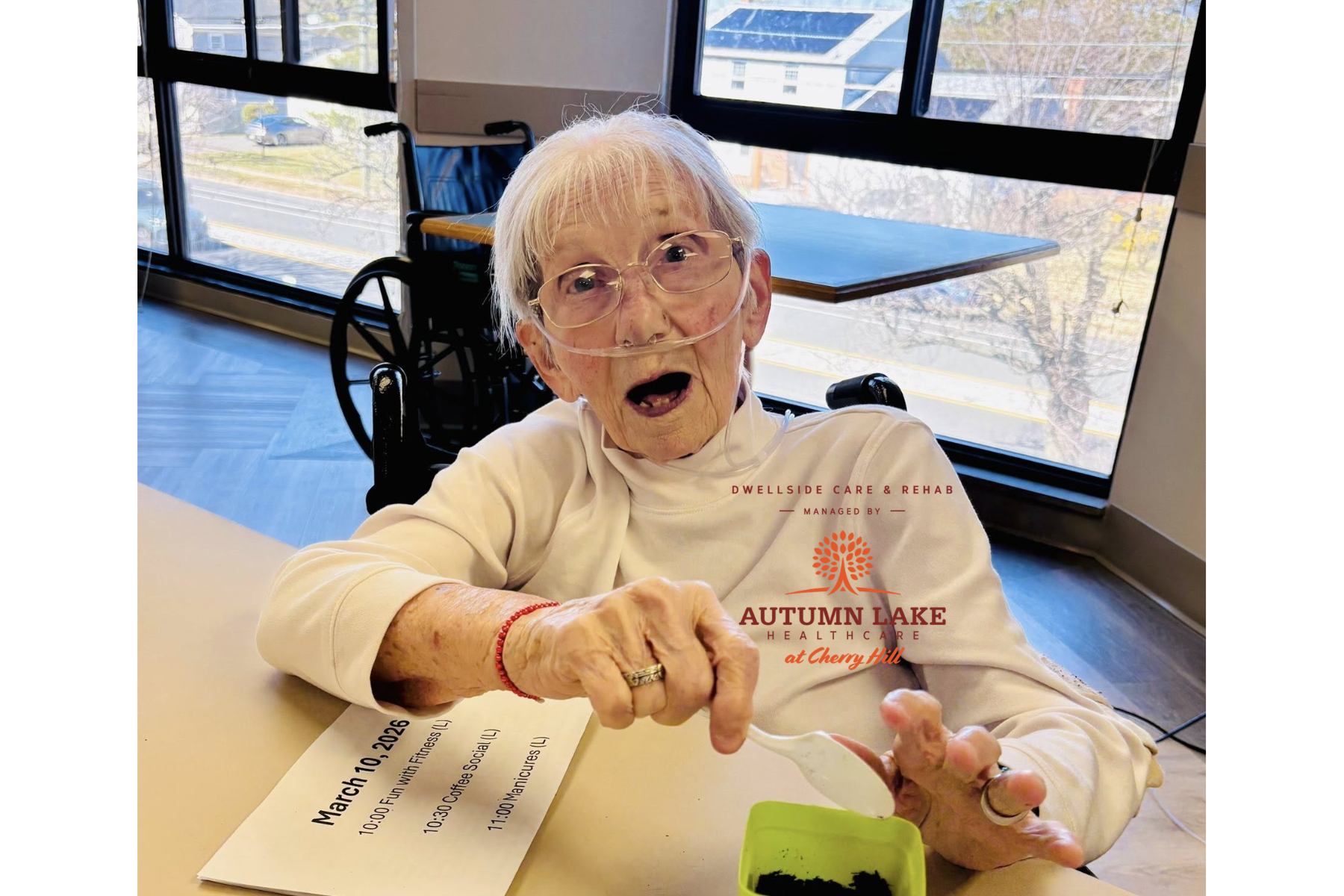
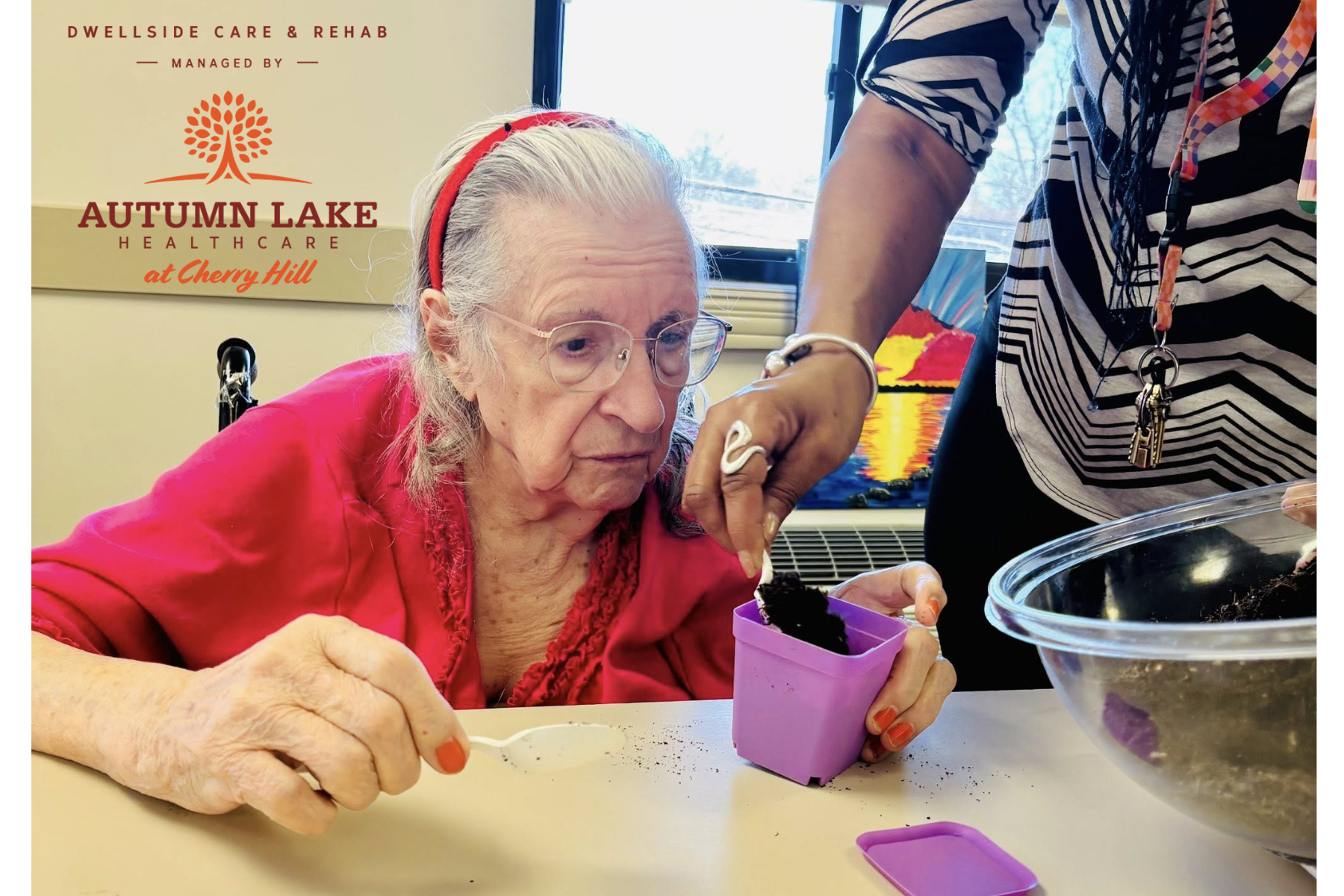
An elderly resident in a senior living community smiles while participating in a gardening activity, using a spoon to add soil to a small green pot.


Debunking the “Medicare Covers Everything” Myth

A common industry misconception is that Medicare will pay for long-term “nursing home” stays regardless of the care level. This is a dangerous myth for family financial planning.

The Reality: Medicare only pays for skilled care, and usually only for a limited time (up to 100 days) following a qualifying hospital stay. If a patient stabilizes to the point where they only require assistance with walking and eating, tasks defined as custodial care, Medicare coverage typically ceases. During a recent care coordination audit for a family, we found that many seniors are blindsided when their “Skilled Nursing” stay transitions into a “Custodial” stay.

Choosing the right senior living in Linwood, NJ, depends heavily on whether you need temporary medical intervention or permanent assistance with the rhythm of daily life.

Our Standard: Excellence in Long-Term Care

We are known for our excellence in long-term care, providing around-the-clock skilled nursing for a wide range of complex medical conditions. We offer post-hospital, short-term rehabilitation as well as long-term and respite care for families. Our facility bridges the gap between clinical necessity and quality of life by providing:

  • Clinical Resources: Private and semi-private rooms, a private hospice room, pharmaceutical delivery services, and on-site wellness programs.
  • Security & Safety: An alarm system to aid in the security of residents with cognitive deficiencies and a smoke-free environment.
  • Amenities: Wifi and cable television, a fitness room, beauty salon/barber services, and a computer with internet access.
  • Comforts: Beautiful courtyards and gardens, spacious rooms with individual climate control, and a variety of menu selections in our dining room.

Whether you are navigating the complexities of Medicare, Medicaid, or private pay, our concierge is available to help families coordinate the transition. We accept most insurances to ensure your loved one has access to a variety of menu selections and private bathroom facilities in a comfortable environment.

Frequently Asked Questions

Does Medicare pay for custodial care? No. Medicare does not cover custodial care if that is the only care you need. It only covers skilled nursing care provided in a Medicare-certified SNF under specific conditions.

How do I know if my parents need skilled nursing or assisted living? If your parents require daily injections, wound care, or intensive physical therapy, they likely need skilled nursing. If they are generally healthy but struggle with buttons, zippers, or preparing meals, assisted living is usually the better fit.

What is the “3-day rule” for skilled nursing? Medicare generally requires a 3-day consecutive inpatient hospital stay before it will cover skilled nursing facility services.

To Sum Up

Navigating the transition to long-term care is easier when you have a partner who understands the clinical and emotional stakes. At Dwellside Care and Rehab managed by Autumn Lake Healthcare at Cherry Hill, we provide the perfect balance of clinical expertise and homelike comfort. From our private dining rooms for family gatherings to our state-of-the-art rehabilitation programs, we are dedicated to the wellness of our community. 

Ready to see the difference for yourself? Schedule a tour today and let our team help you find the peace of mind your family deserves.

Determining if a Senior Needs 24-Hour Skilled Nursing or High-Acuity Assisted Living

Determining the appropriate level of care depends on medical necessity and the frequency of clinical intervention. Skilled Nursing Facility (SNF) care is required for patients needing 24/7 licensed medical supervision for complex conditions like stage-three wound care or IV therapy, whereas High-Acuity Assisted Living is designed for medically stable seniors who require significant physical assistance but do not need constant monitoring by a registered nurse.

Clinical Comparison: Medical Necessity vs. Custodial Support

When researching a rehabilitation center in Cherry Hill, NJ, families often find that the distinction between care levels is defined by “acuity”, the clinical severity of a patient’s condition. High-acuity assisted living serves as a bridge for those who have moved beyond basic help but remain medically stable. Conversely, skilled nursing is designed for those who require a licensed clinician within earshot at all hours to manage unstable vitals or complex equipment.

Feature Skilled Nursing Facility (SNF) High-Acuity Assisted Living
Medical Staff 24/7 RN and LPN presence On-call nursing; 24/7 Caregivers
Primary Goal Clinical stabilization & rehab Safety, socialization, & ADL support
Therapy Services Intensive PT/OT/ST (Daily) Maintenance therapy (Weekly)
Environment Clinical/Medical-focused Residential/Social-focused

5 Signs It’s Time to Transition to a Higher Level of Care

During a recent clinical audit for a family in the Erlton-Ellisburg neighborhood, we identified that the most common catalyst for a transition is “clinical velocity”, the speed at which a senior’s medical needs outpace their current environment’s resources. If a loved one is experiencing the following, a shift to a nursing home environment is likely necessary:

  1. Frequent ER Visits: If chronic conditions like CHF or COPD lead to hospitalizations every few months, a social-model facility is no longer a safe ceiling.
  2. Advanced Wound Care: Stage III or IV pressure ulcers or surgical wounds requiring debridement must be managed by licensed nurses in nursing homes in Cherry Hill, NJ.
  3. Total Dependency for Transfers: While many facilities assist with standing, “total assist” residents, those unable to support any of their own weight, require specialized mechanical lifts and higher staffing ratios.
  4. Complex Medication Requirements: Seniors requiring sliding-scale insulin or frequent adjustments to high-risk anticoagulants need the 24/7 oversight of an RN.
  5. Cognitive Decline with Physical Risks: When memory loss is coupled with a high fall risk or “sundowning” behaviors, the safety net of a skilled unit becomes essential.

Applying the “Continuity of Care Compass” to Solve This

We are recognized for our excellence in providing around-the-clock skilled nursing for a wide range of complex medical conditions. To remove the guesswork for families, we utilize a proprietary framework called the Continuity of Care Compass. This is not a standard physical; it is a diagnostic mapping of three distinct vectors: Clinical Velocity (how fast needs are escalating), Cognitive Load (environmental stressors), and Functional Ceiling (the maximum safe independence level).

By applying the Continuity of Care Compass, we ensure that a senior seeking senior living in Cherry Hill is not just placed in a room, but is matched to a specific care tier that prevents the “revolving door” of hospital readmissions. This framework identifies the exact moment when a resident’s clinical needs surpass the capabilities of a residential setting, allowing for a proactive and dignified transition to skilled care.


An elderly woman at a rehabilitation center focuses on a therapeutic gardening activity, filling a small purple pot with soil alongside a staff member.


Therapeutic Enrichment: Life Within Skilled Care

A common fear regarding nursing home & elder care in Cherry Hill, NJ, is that the environment is strictly clinical. In reality, once a resident’s medical needs are stabilized by 24/7 nursing, they are often more capable of engaging in life. We prioritize therapeutic recreational activities that maintain cognitive function and emotional health, including:

  • Mind & Body: Yoga, Tai Chi, and Nature Walks.
  • Social Engagement: Bingo Mania, Casino Night, and Music & Dancing.
  • Creativity & Nature: Arts & Crafts, Gardening, and Sensory Focused Activities.
  • Community Life: Group Outings, Market Days, and Religious Services.

Debunking the Myth: “Assisted Living is just a Nursing Home with Nicer Furniture.”

Many families mistakenly believe the only difference between these levels of care is the aesthetic of the building. In reality, the regulatory oversight for assisted living in Cherry Hill, NJ, is based on a social model of care. Skilled nursing facilities, however, operate under medical licenses that mandate physician oversight and specific licensed nursing hours per resident, capabilities that assisted living facilities are neither equipped nor legally permitted to provide.

Understanding Your Financial Options

Navigating the financial landscape of long-term care can be complex, but high-quality skilled nursing is accessible through several programs. We accept Medicare, Medicaid, most insurances, and private pay. Medicare typically covers short-term stays for those recovering in a rehabilitation center in Cherry Hill, NJ, while Medicaid and private insurance options are standard for those requiring a permanent, 24-hour clinical home.

Frequently Asked Questions

What is the main difference between a nursing home and assisted living?

A nursing home provides 24/7 licensed medical care for complex needs, while assisted living provides residential support for daily tasks like bathing and dressing for medically stable seniors.

Does Medicare pay for long-term nursing home care?

Medicare covers up to 100 days of short-term rehabilitation following a hospital stay, but does not cover long-term custodial care.

How do I know if my loved one needs a ‘two-person assist’?

If a senior cannot support any weight or requires a mechanical lift (Hoyer lift) to move from bed to chair, they generally require the staffing levels found in a skilled nursing facility.

To Sum Up

At Dwellside Care and Rehab, managed by Autumn Lake Healthcare at Cherry Hill, we provide more than just medical intervention; we offer a community built on dignity and expert clinical support. Whether your loved one requires post-hospital, short-term rehabilitation or permanent long-term care, our team is here to guide you through every step of the journey.

Ready to see the difference for yourself? Schedule a tour today and let our team help you find the peace of mind your family deserves.

How Can I Ensure My Loved One Gets Personalized Care at a Rehab Center?

To ensure your loved one receives personalized care, you must verify that the facility utilizes a comprehensive biopsychosocial assessment to create a customized treatment plan rather than a standardized curriculum. Prioritize centers that offer high staff-to-patient ratios, integrated dual-diagnosis support, and specialized clinical tracks tailored to the individual’s unique medical and emotional history.

Navigating the Search for Individualized Recovery

When a family member requires professional intervention, the sheer volume of options can be overwhelming. To truly ensure your loved one isn’t just a number in a bed, you must look beneath the surface of marketing brochures to find evidence of genuine clinical customization. Many families begin their search looking specifically for a Cherry Hill rehab center, only to realize that “rehab” is a broad term that varies wildly in clinical quality.

Personalized care is the cornerstone of long-term success because it addresses the specific root causes of a patient’s condition. The process begins with active advocacy; you should expect a treatment plan that evolves weekly, reflecting the resident’s actual physical and cognitive progress rather than a pre-set calendar.

Key Pillars of Individualized Treatment

Personalized care is a clinical necessity that requires specific infrastructure. During a recent audit for our service areas, we found that the most successful outcomes occurred when three specific pillars were present:

1. Comprehensive Initial Assessment

Whether you are researching senior care in Cherry Hill, NJ, or short-term post-surgical recovery, the treatment must begin with an in-depth evaluation. This should cover medical history, chronic pain, and mental health screenings, while also accounting for social factors and family dynamics.

2. Clinical Flexibility and Evolution

A plan created on Day 1 should never look the same on Day 30. As a resident gains strength in a Cherry Hill rehabilitation center, their physical therapy intensity should increase while nursing interventions scale back to promote independence and confidence.


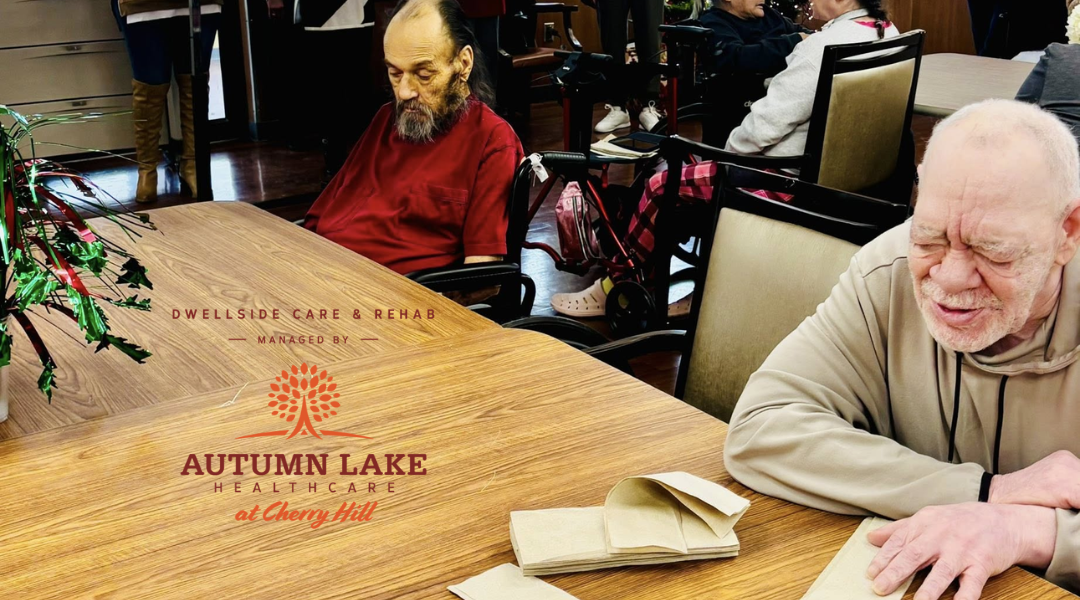
Two nursing home residents sitting at a wooden table in a dining area during a facility activity.


Comparing Standard vs. Personalized Care Models

Use the table below to evaluate potential facilities. If a center cannot answer “yes” to the personalized column, they may be operating a high-volume, low-customization model.

Feature Standard “Cookie-Cutter” Care Personalized Clinical Care
Therapy Schedule Same for every resident Tailored to peak energy levels
Dining Options Set menu, no substitutions Variety of menu selections & in-room dining
Care Coordination Fragmented communication Dedicated concierge and clinical lead
Environment Clinical and sterile Scenic, quiet, and “home-like”

Applying the Dwellside “Symphony of Care” Framework

At our facility, we don’t just provide a room; we provide a curated environment designed to foster healing through our proprietary Symphony of Care framework. We offer residents a quiet, scenic environment away from the bustling city area. The facility features a secured unit, several large courtyards, a movie theater, and a variety of comfortable common areas for special events and for families to meet.

We are known for our excellence in long-term care, providing around-the-clock skilled nursing for a wide range of complex medical conditions. We offer post-hospital, short-term rehabilitation as well as long-term and respite care. Our residents enjoy a delightful dining experience and can choose to join us in our dining room or to stay in the privacy of their own room.

The Symphony of Care Includes:

  • Security & Specialized Support: Alarm systems to aid in the security of residents with cognitive deficiencies.
  • Connectivity & Comfort: High-speed Wi-Fi, cable television, and a computer with internet access.
  • Physical Wellness: A fully air-conditioned fitness room and wellness programs.
  • Daily Amenities: On-site beauty salon, laundry facilities, and a pharmaceutical delivery service.

Debunking the “Hospital-Lite” Myth

A common industry misconception is that nursing homes in Cherry Hill are simply “hospital-lite” environments where the goal is merely stabilization. This myth prevents families from seeking the vibrant, active rehabilitation that is actually possible. Modern centers are dynamic communities offering wellness programs, fitness rooms, and even pet-friendly policies (pets are permitted here).

When looking at Cherry Hill nursing and rehab options, always prioritize a “Life Enrichment” calendar over property aesthetics. A robust activity schedule is a primary indicator that the facility views its residents as individuals with diverse interests.

Essential Program Specifications and Features

  • Accommodations: Private and semi-private spacious rooms with individual climate control.
  • Social Spaces: Beautiful courtyards, gardens, and private dining rooms.
  • Convenience: Concierge services, housekeeping, and mail/newspaper delivery.
  • Accessibility: We accept Medicare, Medicaid, most insurances, and private pay.

Frequently Asked Questions

How do I know if the rehab center is actually providing the care they promised?

Regularly attend care plan meetings. Federal law requires facilities to hold these meetings, and you have the right to ask for updates on specific milestones.

What is the difference between short-term rehab and long-term care?

Short-term rehab focuses on recovery after a specific event (like surgery) to return home. Long-term care provides ongoing, 24/7 skilled nursing for chronic conditions.

To Sum Up

Choosing the right environment for a loved one is a significant decision. At Dwellside Care and Rehab managed by Autumn Lake Healthcare at Cherry Hill, we are a community dedicated to the individual. Whether you need a vacation stay (respite care) or long-term clinical excellence, we are here to guide you. Contact us today to schedule a tour and experience our personalized approach firsthand.

What Types of Activities and Social Programs Are Available at Dwellside Care and Rehab?

Dwellside Care and Rehab provides a robust calendar of activities, including daily group fitness, therapeutic arts and crafts, cognitive brain games, and vibrant social events such as movie nights and holiday celebrations. These programs are specifically designed to promote physical mobility, mental stimulation, and emotional connection for both short-term rehabilitation patients and long-term residents.

Comprehensive Programming at Dwellside Care and Rehab

The heart of a high-quality nursing home in Cherry Hill, NJ, lies in the understanding that healing is holistic. When a resident transitions into our care, they join a community where clinical excellence meets social engagement. Our activities department ensures every individual has a consistent reason to remain active and socially connected.

1. Physical Wellness and Mobility

Physical activity is the cornerstone of maintaining independence. Our wellness programs are tailored to various ability levels, ensuring everyone can participate regardless of their starting point.

  • Group Exercise: From chair yoga to resistance band training, these sessions focus on core strength and fall prevention.
  • Fitness Room Sessions: For those in our post-hospital, short-term rehabilitation tracks, our fitness room provides a structured environment to regain strength.
  • Outdoor Movement: With several large courtyards and beautiful gardens, residents enjoy walking clubs that take advantage of the fresh air and scenic views.

2. Cognitive and Creative Engagement

Mental health is as vital as physical health. Our facility features a dedicated Activities Room, a hub for creative expression and intellectual growth.

  • Therapeutic Arts: Whether it’s painting, knitting for charity, or seasonal crafting, residents have a dedicated space to express themselves.
  • Technology & Connection: With high-speed Wi-Fi and computers with internet access, we help residents stay connected to their families across our various service areas.
  • Brain Games: Daily trivia, crossword challenges, and logic puzzles are staples of our morning routine, providing vital cognitive stimulation.

3. Social and Community Connection

Finding a reputable Cherry Hill nursing home often comes down to the quality of social life. Loneliness is a significant health risk, which is why we prioritize social integration through shared experiences.

  • Movie Theater: Our on-site theater offers a cinematic escape, featuring classic films and modern favorites.
  • Themed Socials: From ice cream socials to birthday bashes, there is always a celebration on the horizon.
  • Comfortable Common Areas: We offer various lounge areas designed for socializing, ensuring that residents can find a quiet nook for a chat.


A nursing home resident sits at a table and focuses on a coloring activity with markers.


Comparison of Activity Tiers by Care Need

In any premier center for senior care in Cherry Hill, programming must be individualized. We recognize that a resident here for a two-week recovery has different social needs than a long-term resident with cognitive challenges.

Activity Category Short-Term Rehab Focus Long-Term Care Focus Memory Care Adaptations
Physical Functional recovery & stamina Maintenance & flexibility Sensory-based movement
Social Goal-oriented interaction Deep community building Familiarity & routine
Cognitive Educational/Discharge prep Lifelong learning & hobbies Reminiscence therapy
Environment Private/Semi-private focus Common area integration Secured unit safety

The Dwellside Lifestyle: Our Proprietary Sanctuary Model

What sets us apart from other nursing homes in Cherry Hill, NJ, is our specific commitment to a peaceful, hospitality-driven environment. We offer residents a quiet, scenic environment away from the bustling city area. This facility features a secured unit, several large courtyards, a movie theater, and a variety of comfortable common areas for special events and for families to meet.

We are known for our excellence in long-term care, providing around-the-clock skilled nursing for a wide range of complex medical conditions. Residents enjoy a delightful dining experience and can choose to join us in our dining room or to stay in the privacy of their own room.

Core Amenities of the Dwellside Sanctuary:

  • Safety First: Alarm system to aid in the security of residents with cognitive deficiencies.
  • Lifestyle Conveniences: On-site beauty salon/barber services, laundry facility, and daily mail/newspaper service.
  • Personalized Space: Spacious private and semi-private rooms with individual climate control.
  • Nature & Pets: Beautiful courtyards and gardens where pets are permitted to visit.
  • Clinical Support: Pharmaceutical delivery service and dedicated private hospice rooms.

Debunking the “Sedentary” Myth in Skilled Nursing

There is a common misconception that choosing a Cherry Hill nursing home means a loss of vitality. Many believe that residents spend their days in isolation, but the clinical reality at Dwellside is quite the opposite.

High engagement levels are clinically proven to reduce the risk of depression and improve outcomes for those with complex medical conditions. Whether it’s a “Vacation Stay” (respite care) or long-term placement, our residents are encouraged to be as active as their health permits.

Frequently Asked Questions

What types of clinical care do you provide alongside activities?

We provide around-the-clock skilled nursing for complex medical conditions, including post-hospital short-term rehabilitation, long-term care, and respite care.

Can we host private family events at the facility?

Yes. We have private dining rooms specifically for family gatherings and special events to ensure you can celebrate milestones in a comfortable, home-like setting.

How do you accommodate residents with memory issues?

We feature a secured unit with an alarm system designed to aid in the security of residents with cognitive deficiencies, alongside specialized sensory activities.

To Sum Up

Selecting the right care partner is about finding a balance between medical expertise and a vibrant lifestyle. At Dwellside Care and Rehab managed by Autumn Lake Healthcare at Cherry Hill, we provide a community filled with movement, purpose, and the comforts of home.

Experience our community firsthand. To learn more about our programming or to schedule a personal tour, contact us today!

The Ultimate Checklist: 10 Questions to Ask When Touring a Nursing Home Facility

The direct care staff-to-resident ratio should ideally be 1:5 to 1:8 during day shifts and no more than 1:15 during night shifts. These specific metrics ensure that every resident receives timely medical intervention, assistance with daily living, and rapid emergency response, which are the primary benchmarks for safety in a long-term care environment.

Selecting a facility for a loved one requires looking past the lobby aesthetics to find the clinical heart of the operation. Whether you are researching senior living in Cherry Hill, NJ, or evaluating options in the surrounding suburbs, this checklist helps you vet a facility’s true operational standards during a tour.

1. How is “Direct Care” staffing calculated for each shift?

The most critical question is distinguishing between “total staff” and “direct care staff.” During a recent quality review for a family in Cherry Hill, NJ, we noted that top-tier buildings exclude administrative and kitchen personnel from their care ratios to provide a transparent look at bedside support.

Clinical Staffing Benchmarks

Shift Type Optimal Ratio Industry Average Red Flag Warning
Day Shift 1:6 1:10 1:15 or higher
Evening Shift 1:10 1:15 1:22 or higher
Night Shift 1:15 1:25 1:40 or higher

2. What are the specific qualifications of the 24/7 nursing team?

A high-quality care center in Cherry Hill, NJ, must have a Registered Nurse (RN) on-site at all times, not just “on call.” Confirm that the facility employs a dedicated Director of Nursing (DON) to oversee clinical protocols and hospital transfer transitions.

3. How does the facility handle specialized cognitive deficiencies?

For residents with dementia, general nursing isn’t enough. Ask if the staff receives ongoing behavioral health training to manage “sundowning” or wandering without relying on heavy sedation, which is a common differentiator among rehab homes in Cherry Hill.


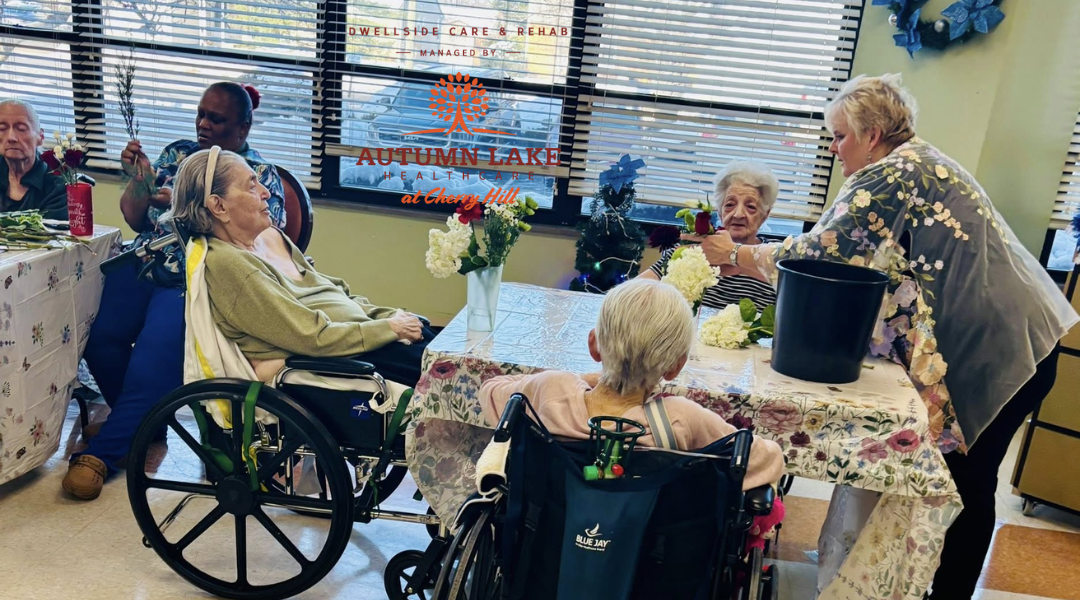
A group of nursing home residents in wheelchairs participating in a floral arrangement activity at a table.


4. How does the “Sanctuary & Synergy” model impact daily life?

At our facility, we move beyond basic room-and-board to offer a proprietary environment designed to balance clinical excellence with emotional tranquility. This “Sanctuary & Synergy” approach defines our unique care philosophy:

  • The Quiet-Scenic Buffer: We offer residents a quiet, scenic environment removed from the bustling city area to reduce sensory overload.
  • The Secured Core: A specialized unit featuring an alarm system to aid in the security of residents with cognitive deficiencies.
  • Social Architecture: Several large courtyards, a movie theater, and comfortable common areas designed for family events and socializing.
  • Around-the-Clock Skilled Nursing: Excellence in long-term care for a wide range of complex medical conditions, including pharmaceutical delivery and on-site hospice rooms.

5. What is the average staff tenure on the specific unit?

Consistency is the backbone of safety. When touring Cherry Hill nursing homes & elder care, ask if the same CNAs are assigned to the same residents daily; continuity of care allows staff to notice subtle changes in a resident’s health before they become emergencies.

6. Can you accommodate specific dietary and dining preferences?

Nutrition is vital for recovery, particularly during short-term rehab in Cherry Hill, NJ. Inquire about the variety of menu selections, the availability of in-room dining, and if there are private dining rooms for family gatherings.

7. What environmental amenities are included in the daily rate?

A facility should support a resident’s dignity through its physical features. Ensure the following are accessible:

  • Personalized Space: Individual climate control, private bathrooms, and spacious rooms.
  • Connectivity: Wifi, cable television, and a computer with internet access.
  • Wellness: A fitness room, on-site beauty salon/barber, and smoke-free gardens.

8. What is the protocol for emergency medical transfers?

Ask for the specific “chain of command” when a resident’s condition changes. A transparent facility will clearly explain how they coordinate with local hospitals and how families are notified during a medical event.

9. Are pets and personal items permitted in the rooms?

To make a facility feel like home, check if pets are permitted and if residents can bring their own furniture. Small personal touches significantly improve the psychological transition to long-term care.

10. Which insurance providers and payment models are accepted?

Financial clarity prevents future stress. Ensure the facility accepts Medicare, Medicaid, and most private insurances, and ask for a clear breakdown of “Private Pay” rates for ancillary services like laundry or the salon.

The “Paper Ratio” Myth: An Industry Misconception

A common industry myth is that a facility’s “Posted Ratio” reflects the staff present on every floor. In reality, some facilities average their staff across the entire building. This means a low-needs wing might be overstaffed while a high-needs medical wing is dangerously short-handed. Always ask for the unit-specific staffing sheet during your tour.

Frequently Asked Questions

What is the difference between an RN and an LPN in a nursing home? RNs (Registered Nurses) handle complex clinical assessments and management, while LPNs (Licensed Practical Nurses) typically focus on medication administration and basic care under RN supervision.

How do I verify a facility’s safety record? You can access the CMS Five-Star Quality Rating System to see audited data on staffing, health inspections, and quality measures.

Is housekeeping and laundry included? In most skilled nursing environments, basic housekeeping and on-site laundry facilities are included in the daily or monthly rate.

To Sum Up

At Dwellside Care and Rehab managed by Autumn Lake Healthcare at Cherry Hill, we invite you to see our clinical excellence in action. Schedule your private tour today to meet our team and explore our scenic courtyards.

Choosing the Right Care for Your Loved One: Short-Term Rehab, Long-Term Care, and More at Autumn Lake Cherry Hill

Choosing between short-term rehab and long-term care depends on the patient’s clinical goals and the expected recovery timeline. Short-term rehab focuses on intensive therapy to help patients return home after a specific medical event, while long-term care provides 24/7 skilled nursing for those with chronic conditions or cognitive decline that makes independent living unsafe.

Determining the next step after a hospital stay is a high-stakes decision for any caregiver. When a discharge planner mentions “post-acute care,” the terminology can feel like a barrier to care. Understanding the nuances between recovery-based rehabilitation and residential skilled nursing is the first step in ensuring your loved one receives the dignity and clinical attention they deserve.

Key Differences: Short-Term Rehab vs. Long-Term Care

To help you decide at a glance, this comparison table breaks down the primary differences in medical focus, duration, and goals.

Feature Short-Term Rehabilitation Long-Term Care
Primary Goal Recovery and return to home Maintenance of health and safety
Typical Duration 2 weeks to 3 months Indefinite / Permanent
Therapy Frequency High (Physical, Occupational, Speech) Moderate to Low (Maintenance)
Medical Need Post-surgical or acute injury Chronic illness or ADL assistance
Insurance Focus Medicare / Private Insurance Medicaid / Long-Term Insurance / Private

If your loved one is recovering from a hip replacement or a stroke, finding a specialized rehabilitation center in Cherry Hill, NJ, is the standard route. These facilities bridge the gap between the hospital and home, offering high-intensity physical and occupational therapy designed to restore independence as quickly as possible.

Determining the Right Level of Support

When evaluating a loved one’s needs, consider these three criteria to identify the appropriate setting:

  1. The “Discharge” Goal: Does the person have a clear path to returning to their previous living situation? If the objective is to regain the strength to climb stairs or cook meals again, short-term care is the answer.
  2. Activities of Daily Living (ADLs): Does the person require permanent help with bathing, dressing, and eating? If these needs are permanent due to progressive illness, long-term care is required.
  3. Clinical Complexity: Does the condition require daily monitoring by a registered nurse for stable but chronic issues, or high-intensity wound care for a temporary issue?

For families looking for comprehensive solutions, choosing a dual-purpose nursing home and rehabilitation center in Cherry Hill, NJ, allows for a “continuum of care.” This means that if a patient enters rehab but discovers their needs are more permanent, they can transition within the same community without the trauma of a second move.


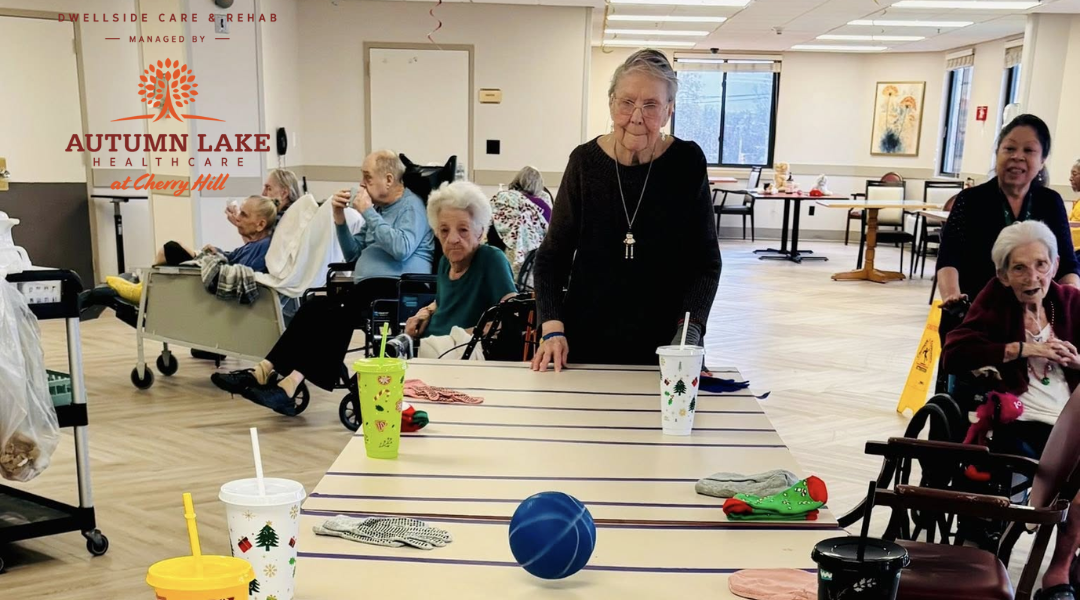
Residents and staff gathered in a decorated dining area at a rehabilitation care center for a social event.


Debunking the “Nursing Home” Myth

A common industry misconception is that “Short-term rehab is just a temporary stay in a nursing home.” In reality, modern clinical environments have evolved into distinct wings. A dedicated rehab unit functions like a sub-acute hospital, focusing strictly on aggressive clinical outcomes and discharge planning. Unlike the outdated view of nursing homes in Cherry Hill, NJ, these units are high-energy environments where the goal is “graduation” back to the community.

Applying our “Resort-Clinical” Framework to Solve This

Navigating a medical transition is emotionally taxing. We solve the “institutional” feel of traditional care by applying our Resort-Clinical framework. This proprietary approach blends high-level medical oversight with a hospitality-driven lifestyle, ensuring that healing happens in a scenic environment away from the city’s noise.

Our framework includes specific pillars of care:

  • The Secured Sanctuary: A specialized unit and alarm system to aid in the security of residents with cognitive deficiencies, ensuring safety without sacrificing dignity.
  • The Social Fabric: Large courtyards, a movie theater, and comfortable common areas designed for family meetings and special events.
  • The Culinary Choice: A delightful dining experience where residents choose between the social atmosphere of the dining room or the privacy of their own room.
  • The Connected Life: High-speed Wifi, cable television, and computers with internet access to keep families connected.

Whether a resident is here for a “Vacation Stay” (respite care) or permanent residency, they have access to an on-site beauty salon, fitness room, and wellness programs.

Understanding Your Financial Options

Navigating the costs of senior care is often the most stressful part of the process. Many families initially search for assisted living in Cherry Hill, NJ, only to find that their loved one’s medical needs require a higher level of skilled nursing. We accept Medicare, Medicaid, most private insurances, and private pay to accommodate various financial situations.

Medicare typically covers the “Short-Term” aspect, specifically the first 20 to 100 days of rehabilitation following a qualifying hospital stay. Long-term care is usually funded through Medicaid or private funds. Our on-site concierge and administrative team help families navigate these applications so the focus remains on the patient.

The Importance of Environment in Recovery

The physical setting plays a massive role in recovery speed. During a recent audit for a family in the Barclay-Kingston area, it was noted that access to green space significantly lowered stress levels in recovering seniors. Our facility features beautiful courtyards and gardens, providing a peaceful environment that contrasts with the sterile feel of a hospital.

When searching for Cherry Hill assisted living or skilled nursing, look for “Life-Enhancement” markers. This includes individual climate control, private and semi-private rooms, and a smoke-free environment. Even small details, like mail and newspaper service or a private hospice room, reflect a facility’s commitment to the individual.

Frequently Asked Questions

Q: Can a short-term stay turn into long-term care?

A: Yes. If a patient’s recovery plateaus and they can no longer live safely at home, the clinical team will work with the family to transition the patient to a long-term skilled nursing arrangement.

Q: Are pets allowed during rehab?

A: In our facility, pets are permitted to visit, as we recognize the immense therapeutic value that animals bring to the healing process.

Q: What is “Respite Care”?

A: Often called a “Vacation Stay,” this is a short-term stay (usually a few days to a few weeks) designed to give primary family caregivers a break while ensuring their loved one is safe and cared for.

To Sum Up

At Autumn Lake Healthcare at Cherry Hill, we understand that you aren’t just looking for a bed; you are looking for a community that values your loved one’s comfort and clinical safety. From our spacious rooms and private bathrooms to our advanced pharmaceutical delivery services, every detail is engineered to provide excellence in long-term and post-hospital care.

Don’t navigate this journey alone. Our team is ready to help you evaluate the best path forward for your family.

Ready to see the difference for yourself?

Schedule a tour or contact us today to learn more about our specialized programs and scenic grounds.

Rehab Services at Autumn Lake Cherry Hill: How We Handle Specialized Treatments for Cardiac, Orthopedic, and Wound Care Patients

Specialized rehabilitation accelerates recovery by providing clinically supervised exercises, advanced medical technologies, and multidisciplinary care tailored to specific conditions. For cardiac, orthopedic, and wound care patients, this integrated approach reduces hospital readmission rates, restores physical mobility, and prevents secondary complications through evidence-based protocols and intensive 24/7 monitoring.

Understanding the Three Pillars of Specialized Care

Clinical intervention is the essential bridge between a hospital discharge and a safe return to independence. High-quality recovery centers segment treatment into precise pathways to address the physiological nuances of healing tissue. If you are currently researching rehab homes in Cherry Hill, it is vital to prioritize facilities that maintain distinct protocols for heart health, joint restoration, and complex skin integrity.

1. Cardiac Rehabilitation: Strengthening the Heart

Cardiac recovery is a data-driven process. It involves telemetry-monitored conditioning where clinicians track heart rate and rhythm in real-time during physical exertion. This pathway goes beyond the gym, incorporating hypertension management and cholesterol education to ensure long-term cardiovascular stability after a major event.

2. Orthopedic Recovery: Restoring Range of Motion

Whether recovering from a total knee replacement or a fracture, orthopedic rehab follows strict post-surgical timelines for weight-bearing and mobility. Finding a top-tier Cherry Hill nursing home ensures access to non-pharmacological pain management and strength training that stabilizes joints, which is the fastest way to regain the ability to walk unassisted.

3. Advanced Wound Care: Ensuring Cellular Healing

Wound care requires more than just standard bandages; it necessitates debridement, infection control, and negative pressure wound therapy (NPWT). High-protein nutritional support is a core component here, providing the cellular building blocks required for rapid tissue regeneration in post-operative or chronic sites.

Comparing Recovery Pathways

The following table highlights the distinct differences in goals and equipment used for each specialty.

Treatment Area Primary Goal Key Equipment/Tools Typical Duration
Cardiac Aerobic Endurance Telemetry Monitors, Treadmills 4–12 Weeks
Orthopedic Joint Mobility Parallel Bars, Resistance Bands 2–6 Weeks
Wound Care Tissue Regeneration Wound Vacs, Compression Wraps Varies by Stage

Debunking the “Bed Rest” Myth

A common industry misconception is that prolonged bed rest is the most effective way to heal after surgery. In reality, modern nursing homes in Cherry Hill utilize “Early Mobilization” protocols. Clinical data prove that moving within 24 to 48 hours of an event significantly reduces the risks of pneumonia, muscle atrophy, and deep vein thrombosis. Active recovery, not passive rest, drives the body’s healing response.


Residents in wheelchairs gathered for a musical performance and social activity in an assisted living facility.


Applying our “Serene Clinical Sanctuary” to Solve This

To maximize healing, we implement a proprietary environment known as the Serene Clinical Sanctuary. This framework acknowledges that physical repair is hindered by high stress levels. By situating our clinical care within a quiet, scenic environment away from the city’s noise, we naturally lower patient cortisol levels, allowing the body to focus its energy entirely on tissue repair.

The Serene Clinical Sanctuary integrates high-level medical oversight with a community-centric atmosphere. The facility features a secured unit for safety, several large courtyards for fresh air, and a movie theater for cognitive engagement. For families in the Erlton-Ellisburg area, this means their loved ones have access to a fitness room, a beauty salon, and comfortable common areas that feel like a home rather than a cold clinical ward.

Beyond the physical space, this sanctuary includes a delightful dining experience. Residents can choose to join neighbors in the dining room or maintain their privacy with in-room dining options. This flexibility is a hallmark of the best Cherry Hill nursing homes, where resident dignity and comfort are treated with the same importance as their medical charts.

The 5-Step Process for Comprehensive Wound Management

For patients with complex comorbidities, our clinical team follows a rigorous five-step protocol:

  1. Vascular Assessment: Ensuring the wound site has the oxygen-rich blood flow necessary for repair.
  2. Site Preparation: Meticulous cleansing and removal of non-viable tissue.
  3. Exudate Management: Controlling moisture to prevent skin breakdown around the wound.
  4. Biological Barrier Application: Using silver-impregnated or specialized dressings to block bacteria.
  5. Monitoring & Calibration: Weekly measurement of dimensions to ensure the healing velocity is on track.

This structured approach to Cherry Hill nursing homes & elder care ensures that small complications are caught before they require a trip back to the emergency room.

Comprehensive Amenities for Long-Term Success

A successful recovery is often the result of removing daily stressors. Our facility is conveniently located for families traveling from nearby Barclay-Kingston, yet it offers a smoke-free, tranquil environment once inside. With on-site pharmaceutical delivery, laundry services, and private hospice rooms, we manage the logistics so patients can focus on their physical therapy.

We accept Medicare, Medicaid, and most private insurances, making specialized cardiac and wound care accessible to the community. Whether it is through our wellness programs or our private dining rooms for family gatherings, every aspect of the facility is designed to support the “whole person” throughout their stay.

Frequently Asked Questions

What is the difference between short-term rehab and long-term care?

Short-term rehab is goal-oriented therapy designed to get you back home after an injury or surgery. Long-term care provides 24/7 nursing for chronic conditions that require ongoing medical management.

Does insurance cover specialized wound care?

Yes, most plans, including Medicare, cover wound care when performed by a skilled nursing team as part of a medically necessary treatment plan.

Can I bring a pet to the facility?

Yes, pets are permitted, as we recognize the immense therapeutic value they provide during the recovery process.

To Sum Up

At Dwellside Care and Rehab managed by Autumn Lake Healthcare at Cherry Hill, we combine advanced medical protocols with our Serene Clinical Sanctuary to provide a superior healing environment. Our multidisciplinary team is dedicated to restoring your health with compassion and clinical excellence.

Would you like to see our specialized units in person?

Visit our website to schedule a tour and discover why we are the preferred choice for rehabilitation in the region.